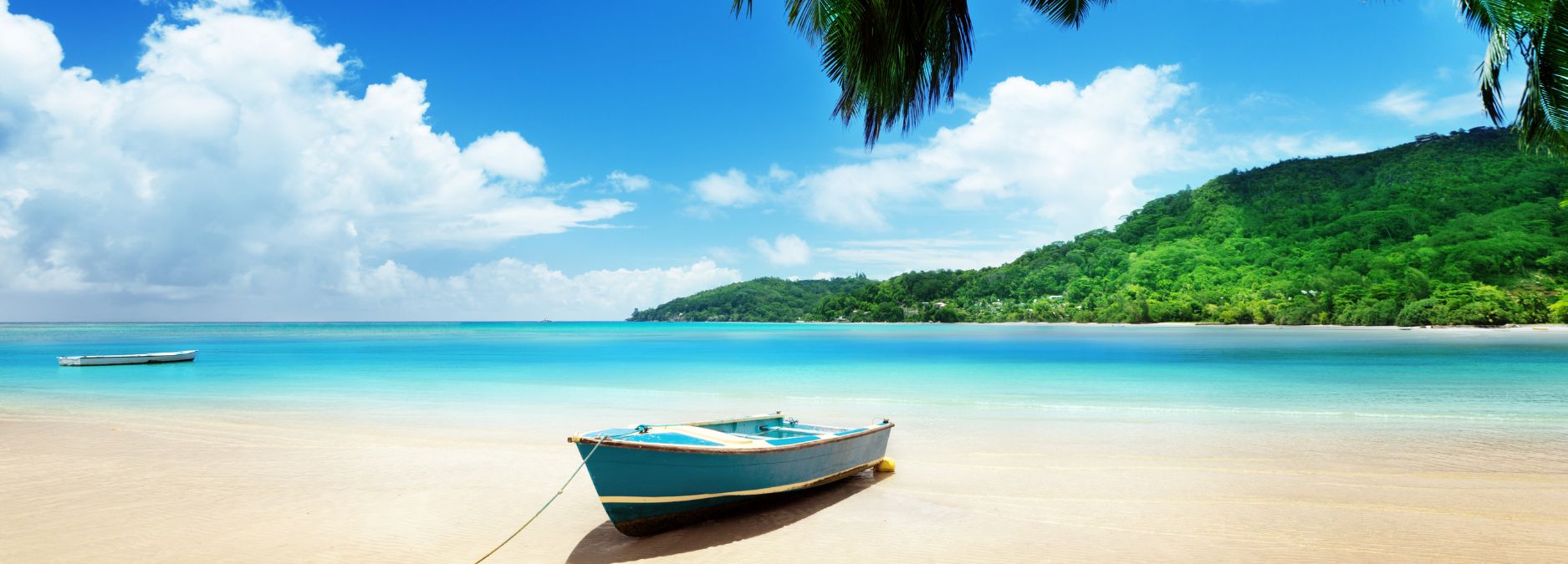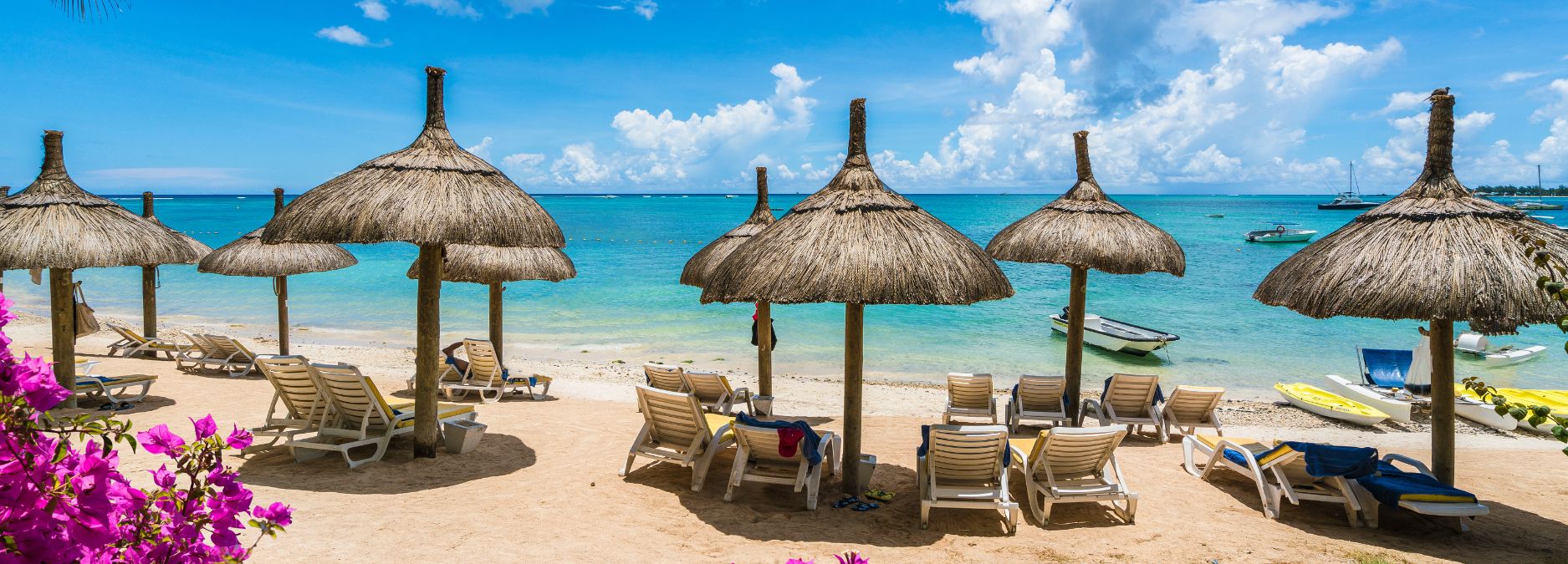
Ask someone to name a beach destination to pair with an African safari, and Zanzibar comes up almost automatically. It’s a fair answer — but it’s not the only one, and for a certain kind of traveler, it’s not even the best one. Mauritius offers something quieter, more polished, and less expected, which is exactly why it deserves a place on the shortlist.
A Different Kind of Island
Where Zanzibar’s appeal is rooted in history and texture — spice markets, Stone Town’s narrow streets, centuries of layered culture — Mauritius operates on a different register entirely. This is an island built around refinement: manicured resorts, calm lagoons protected by coral reef, and a level of polish that comes from decades as a dedicated luxury destination rather than a destination that grew into luxury tourism.
That distinction matters for how the island feels day to day. Mauritius rewards guests who want the coastal half of their trip to be genuinely restful, with fewer decisions to make and less to explore beyond the resort grounds, rather than a destination demanding its own itinerary of day trips and cultural stops.
The Geography Question
Mauritius sits further from mainland East Africa than Zanzibar, which is worth factoring into trip planning honestly.
It’s not a same-afternoon private-air hop from a Kenyan bush camp the way Zanzibar often is — the distance calls for a connecting flight, typically routed through Nairobi or another regional hub.
For guests building a longer itinerary, or those who see the extra travel time as part of a deliberate change of pace rather than a logistics cost, that distance is a feature rather than a drawback.
This makes Mauritius a stronger fit for longer, multi-country journeys than for a tight seven-day bush-to-beach week, where a closer coastal pairing like Zanzibar makes more sense given time constraints.
What the Island Actually Offers
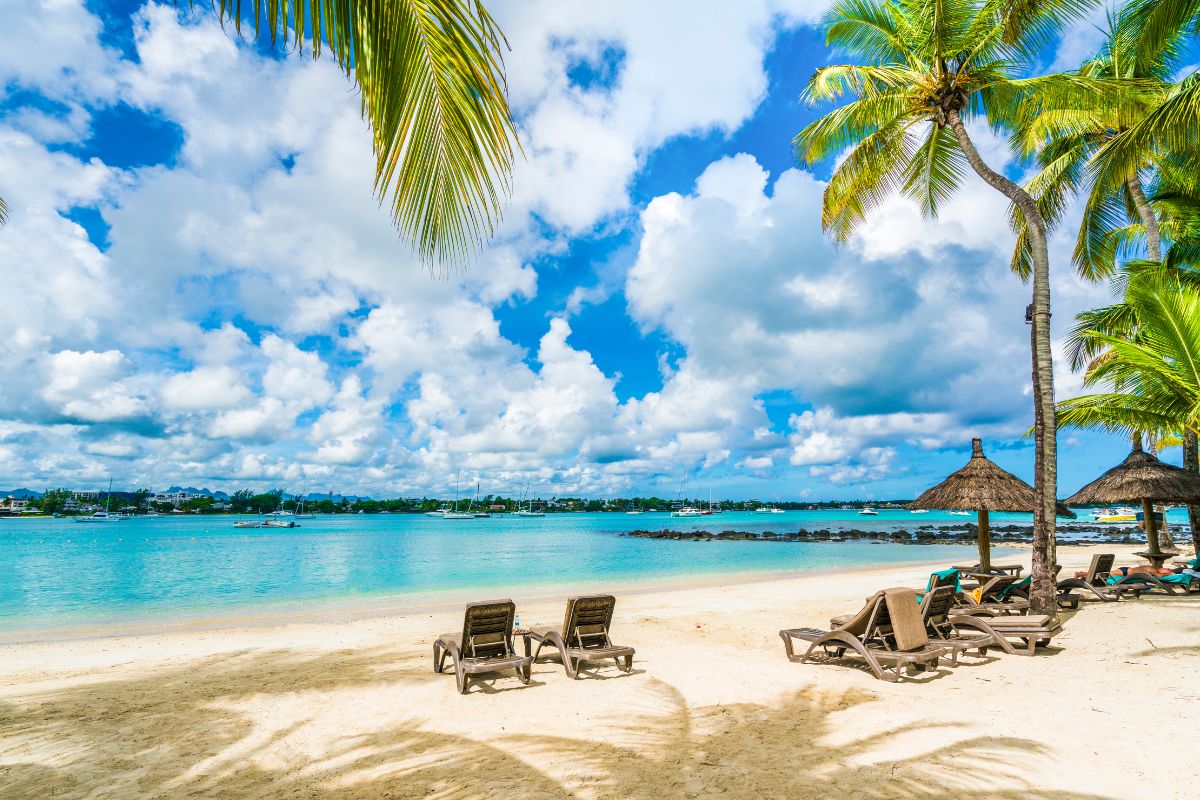
Mauritius’s coastline is defined by calm, reef-protected lagoons — water flat enough for paddleboarding and gentle enough for guests who want to swim rather than simply admire the view from a lounger.
Beyond the beach itself, the island offers a genuine change of scenery from the safari half of the trip: volcanic peaks inland, tea plantations in the highlands, and a Creole culture shaped by French, Indian, African, and Chinese influence in roughly equal measure.
Food reflects that same blended heritage — Mauritian cuisine draws on all of it, and a resort dinner here often tells its own small cultural story, without guests needing to leave the property to experience it.
Who Mauritius Suits Best
This pairing tends to resonate most with a specific type of traveler: honeymooners who want the coastal half of their trip to feel undeniably romantic and private rather than adventurous; longer-stay guests building a two- or three-week multi-country journey where the extra travel time genuinely doesn’t register; and repeat safari travelers who’ve already done Zanzibar and are looking for a coastal experience that feels distinctly different rather than a repeat of a trip they’ve taken before.
For a first-time, tightly timed bush-to-beach traveler, Zanzibar likely remains the more efficient pairing. But for guests with a little more time, or a slightly different set of priorities for the coastal half of their trip, Mauritius offers a version of “beach after bush” that few competing safari itineraries think to include.
The Understated Option
Mauritius won’t be the first answer most people give when asked where to end a safari. That’s precisely its appeal — a coastal escape defined by calm rather than spectacle, offering guests a genuinely different register from both the bush and from the more well-trodden Zanzibar route.