

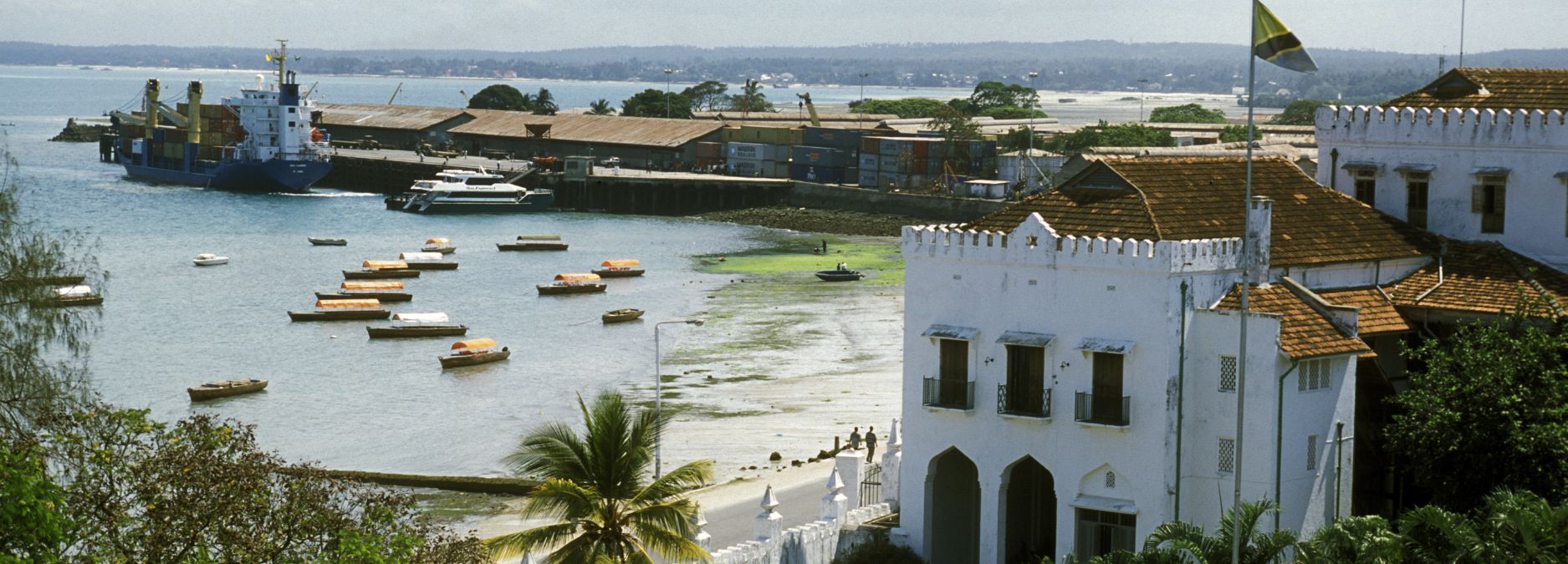
Most guests arrive in Zanzibar for the water — the white sand, the warm shallows, the stillness after a week in the bush. Few expect Stone Town to be the part of the trip they can’t stop talking about afterward.
It should be. Long before “Zanzibar” meant a beach destination, it meant something closer to a crossroads — one of the most contested, traded, and culturally layered port cities on the East African coast. Walking its streets today is less like sightseeing and more like reading a very old book that’s still being written.
A City Built on Trade
Stone Town’s narrow, maze-like streets weren’t designed for cars, because they predate them by centuries. The city grew as the beating heart of the Indian Ocean spice trade, drawing merchants from Oman, India, Persia, and Europe to a single dense port where cloves, cinnamon, and cardamom changed hands alongside ivory, textiles, and — in one of the darker chapters of the city’s history — enslaved people, a trade Stone Town was also, tragically, central to.
That density of cultures left its mark on everything. Carved wooden doors — a Stone Town signature — mix Arab, Indian, and Swahili design in a single frame. Mosques sit blocks from Hindu temples and colonial-era churches. The architecture doesn’t tell one story; it tells four or five overlapping ones, which is exactly why UNESCO named Stone Town a World Heritage Site.
The Sultan's City
For much of the 19th century, Stone Town wasn’t just a trading post — it was a seat of power. Zanzibar’s ruling sultans built palaces and grand residences along the waterfront, some of which still stand today, repurposed as museums, hotels, and cultural landmarks. Walking the Stone Town seafront, it’s easy to imagine the city as it once was: a genuine capital, not a stopover.
That royal history is part of what makes Stone Town feel different from other historic port cities. It wasn’t only a place goods passed through — it was a place where real political and cultural power was concentrated, and the buildings still carry that weight.
The Rock Star Who Grew Up Here
Stone Town’s most unexpected claim to fame belongs to a boy born Farrokh Bulsara in 1946, in a house not far from the city’s waterfront. Decades before he became Freddie Mercury — the voice of Queen, one of the most iconic performers in music history — he spent his early childhood in these same narrow streets.
Today, a small house in Stone Town operates as an informal tribute to him, drawing music fans from around the world who make the trip specifically to see where the story began. It’s an unlikely footnote for a city best known for spice and sultans, but it’s become one of Stone Town’s most visited corners — proof that this city’s layers of history keep accumulating, right up to the present day.
Walking It for Yourself
None of this history requires a guidebook to appreciate, but it rewards a guided walk far more than a solo wander. A local guide can point out details easy to miss — which carved doors signal Omani versus Indian influence, which building was once a sultan’s residence, which market stall has been run by the same family for generations. Stone Town’s spice markets alone are worth a slow morning, with vendors happy to explain what’s actually in the blends most visitors only know by their finished names.
For Azure Safaris guests, Stone Town typically fits naturally into the coastal half of a bush-to-beach itinerary — a half-day or full-day addition before settling into a beachfront stay elsewhere on the island. It’s a different register entirely from the safari half of the trip: dense, historic, and human, rather than wild and open. That contrast is part of what makes it work.
Where History Meets the Coast
tone Town is proof that Zanzibar was never just a beach destination that happened to have some old buildings nearby.
It was a city of real consequence long before “bush to beach” became a way to describe a holiday — and spending even a single afternoon in its streets adds a dimension to the trip that the coastline alone can’t provide.

